Memories are a great place to start, but learning takes place inside of retention and transfer. This intentional activation and structuring of memory is at the heart of learning.
Overview of Retention
Retention is the storage of learning with intention. Information is given meaning and context and is put into long-term memory in such a way that it can be brought back into working memory for further processing (Sousa, 2022). A contributor to retention of learning is rehearsal. Rehearsal provides the repetition and continued processing of the new learning that is necessary to encode it into long-term memory (Sousa, 2022). We are all familiar with rote rehearsal, where we memorize information with the expectation of reproducing it exactly as it came in. Elaborative rehearsal involves taking the information and making new connections to what we already know. Both are necessary for learning to take place.
Strategies for Retention
Enhancing or increasing retention involves careful consideration of rehearsal and the timing of it. Our attention is best at the beginning of a lesson, and it is no surprise that retention is increased when you teach new material first (Sousa, 2022). Another way to increase retention is to reduce the load on working memory. This can be accomplished by keeping lessons where the teacher is delivering instruction short and then turning to rehearsal where the learner thinks about and applies the new information (Sousa, 2022). Retention is also enhanced when there are a combination of teaching methods used during a lesson. Providing opportunities to engage in the material via visual, audible, learning by doing, and practicing with peers offers many pathways for the brain to rehearse and retain the information in a way that is meaningful to the learner. This can be especially helpful to learners who have experienced trauma.
Overview of Transfer
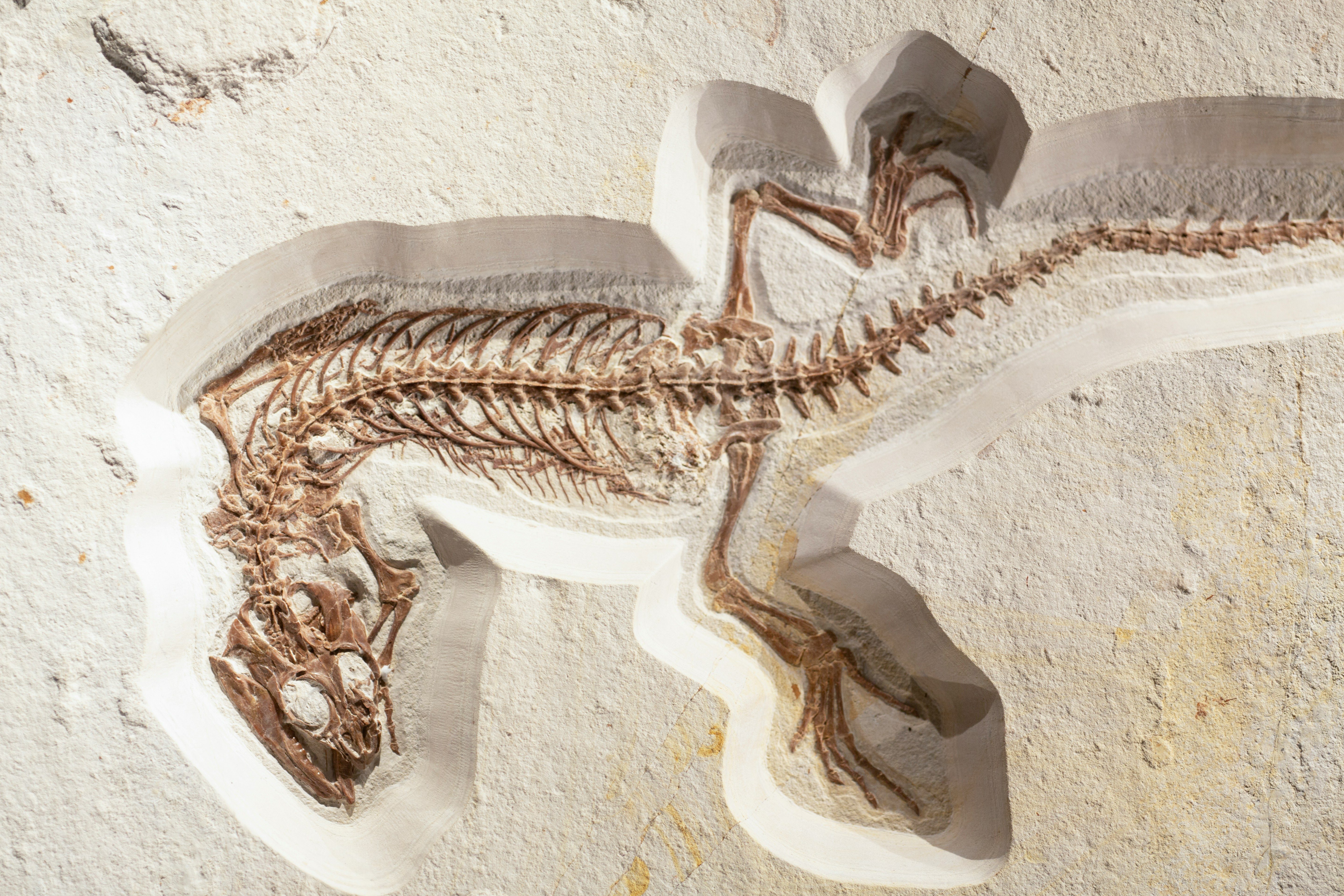
Once the new learning is retained, transfer deepens and expands the learning and facilitates applying it to new situations. Transfer happens both during learning and as the learning is later applied. The depth of transfer is dependent on the quality of past learning experiences (Sousa, 2022). When past learning experiences help with transfer, it is called positive transfer, but when past learning interferes with processing new learning, it is called negative transfer (Sousa, 2022). Rehearsal enhances transfer in learning as frequent opportunities to examine and apply new information do much more than one concentrated experience (Sousa, 2022). Transfer is like a reverse archaeological dig, adding layer upon layer to the original skeleton to build out a full picture of the topic.
Strategies for Transfer
One of the most helpful things educators can do to improve transfer for learners is to provide them with a framework upon which to build their understanding of a topic (Sousa, 2022). Assisting learners with cues that help them encode their memories/learning in a way that is strongly related to the topic will help the learner retrieve that learning more effectively. This is where teaching an integrated thematic unit of instruction can be useful. Another useful tool for promoting transfer in learning is journal writing, but not just any journal writing (Sousa, 2022). Asking the learner to reflect on what they have learned and how they might use that information in a different context is best.
References
Sousa, D. A. (2022). How the brain learns. (6th ed.). SAGE Publications.
 Crafted Learning Designs